

Performance across essential industries
Details and Specifications
Appearance: Dark brown powder
Solubility: Fully soluble in water
Odor: Distinctive aroma of tannic acid
Tannin Content: Approximately 79%
Loss on Drying: 4.5% W/W
Ash Content: Maximum 0.1% W/W
pH (1% in Water): 3-4
Staining Test: Successfully passed
Applications
Talk with us about grade suitability, trials and commercial quantities for your specific process.
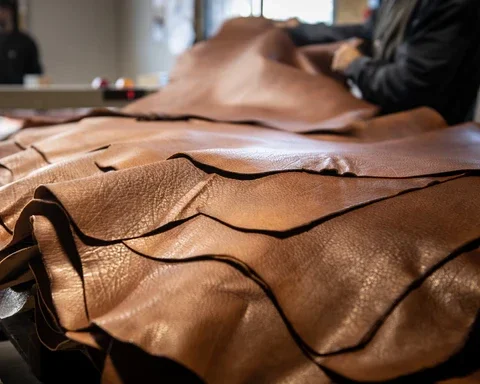
Leather tanning
In leather processing, tannic acid powder play a key role in both tanning and re-tanning stages. They improve leather strength, softness, and shape retention while reducing surface defects. These tannins enhance color fixation, ensure uniform texture, and increase long-term durability. They are compatible with multiple tanning systems, helping manufacturers produce leather that is stable, natural-looking, and long-lasting.

Oil & Gas Drilling
Hydrolysable tannins are powerful additives for drilling fluids. They enhance mud viscosity control, effectively disperse solids, and significantly reduce fluid loss during drilling operations. By stabilizing well conditions and boosting drilling efficiency, these natural compounds offer a more environmentally friendly alternative to the synthetic chemical additives typically found in oil and gas exploration.

Water treatment
The role of tannic acid in improving operational efficiency and water quality is multifaceted. These polyphenols serve as natural oxygen scavengers, which helps reduce oxidative reactions that contribute to scale formation and corrosion in pipes and equipment. Additionally, tannins promote the aggregation of suspended clay and organic particles, enhancing flocculation and sedimentation processes. These combined actions help prevent clogging in filtration systems and improve the overall efficiency of water treatment operations. Through metal complexation, tannins bind with heavy metals such as iron, lead and copper, reducing their concentration in treated water.

Dyeing & textiles
Tannic acid-based solutions play a key role in textile processing, particularly in flock activation systems for both AC and DC applications. By interacting with both polyamide in fibres and aluminium ions, these adjuvants ensure long-lasting activity, superior flock density and improved handling properties, making them essential in treatments for polyamide and polyester substrates.
Wood staining